SEP 14 2026

SIX OF ONE

Today’s Signals

“The other half dozen didn’t make the file.”

SIX THINGS. NO PROMISE THEY CONNECT.
Naturally.

MONEY / LOCAL

THIS WAS MONEY.
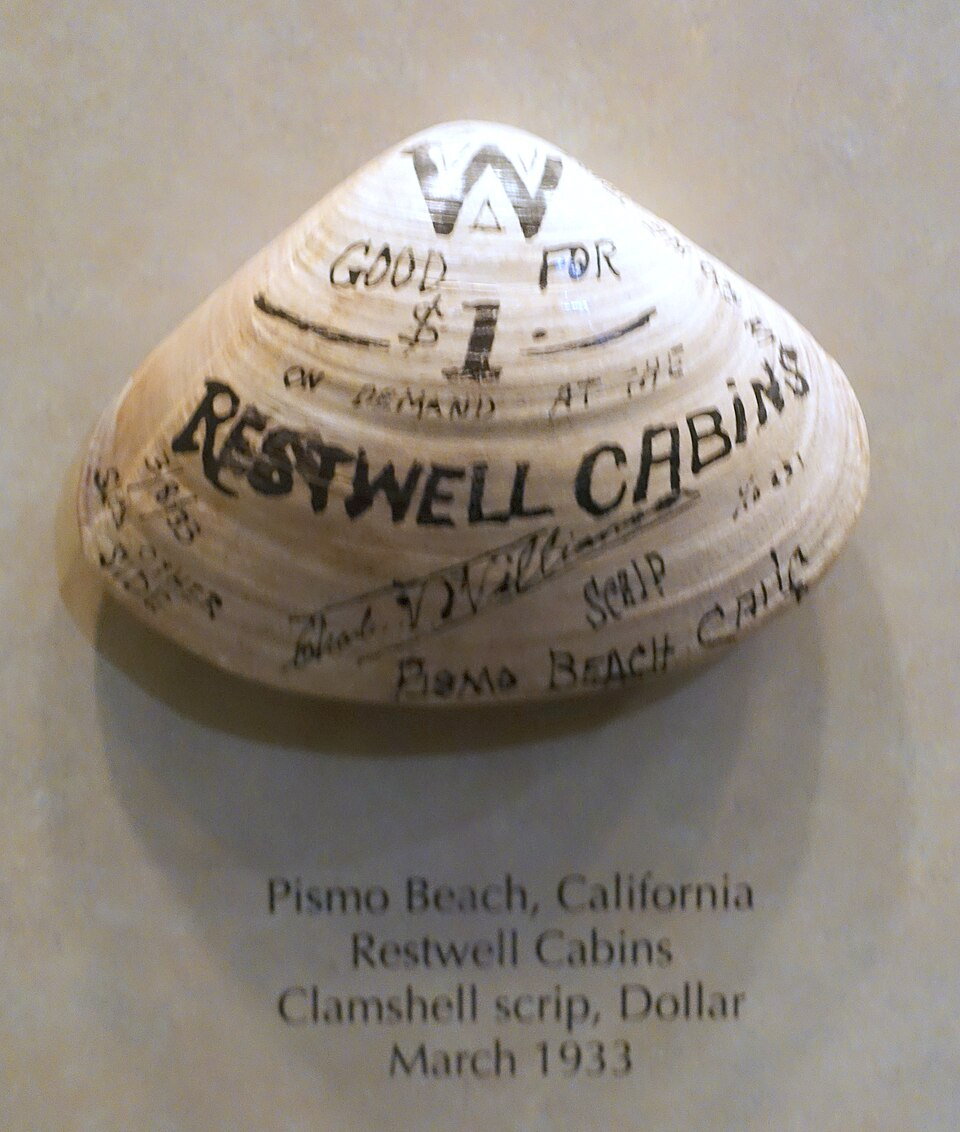
1933 Pismo Beach one-dollar clamshell scrip issued by Restwell Cabins
$1 clamshell scrip issued by Restwell Cabins in Pismo Beach, March 1933. National Museum of American History.

During the 1933 banking crisis, Pismo Beach businesses issued emergency money on clam shells. Restwell Cabins made 25¢, 50¢ and $1 versions. The larger the denomination, the larger the shell. They were numbered, signed and spent.

The dollar was having a shell of a year.
Smithsonian — National Museum of American History

ARCHAEOLOGY

SOMEBODY FOUND IT FIRST

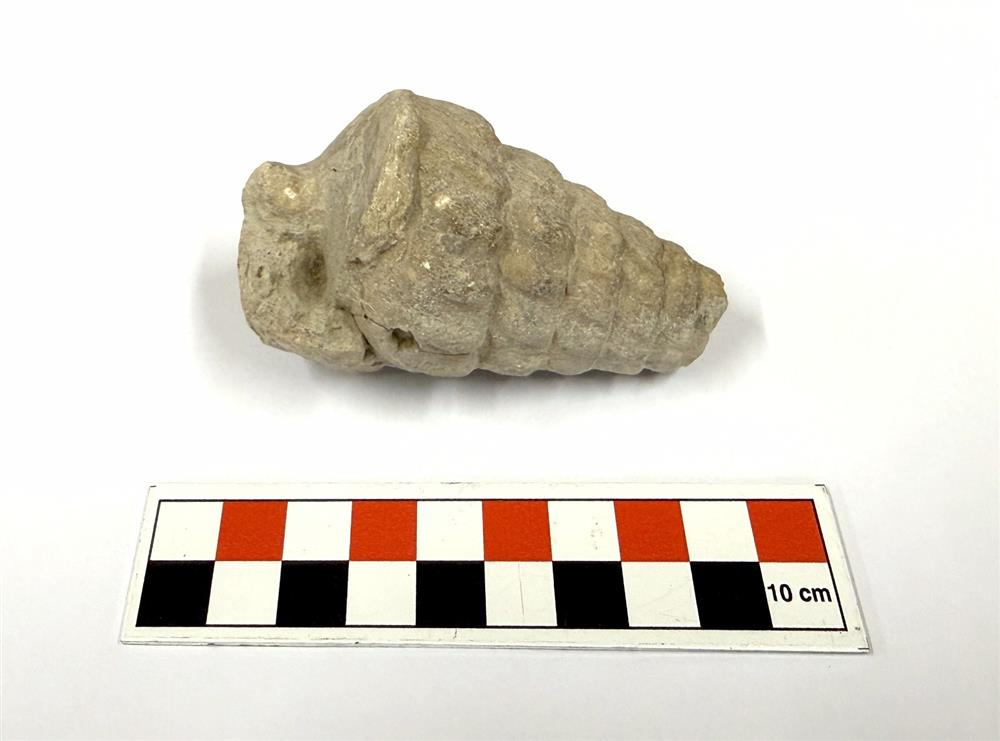
66-million-year-old gastropod fossil found at Külhöyük in Türkiye
Gastropod fossil discovered at Külhöyük, near Ankara, Türkiye.

Archaeologists just unearthed a 66-million-year-old gastropod fossil at a roughly 5,000-year-old settlement in Türkiye.

But researchers think the people who lived there thousands of years ago may have found the fossil somewhere else and brought it home themselves.

So archaeologists may have discovered someone else's ancient discovery.

Finders keepers has apparently expired.

Republic of Türkiye Ministry of Culture and Tourism

SOURCE TRAIL

DID EVERYBODY JUST COPY IT?

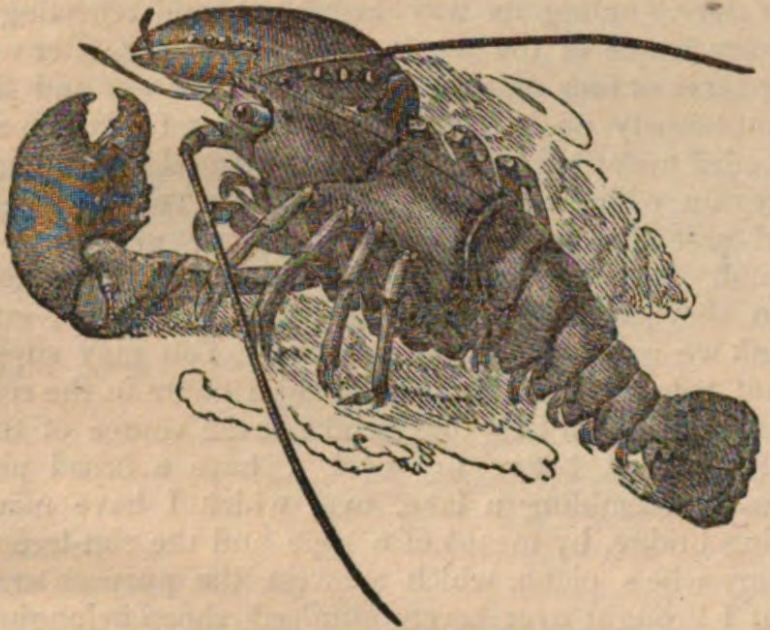
1832 woodcut illustration of a lobster from The Penny Magazine
“The Lobster,” The Penny Magazine, May 12, 1832. Public domain.

You’ve probably heard this one:

Colonial prisoners supposedly couldn’t be fed lobster more than twice a week because it was considered cruel.

There’s a problem.

Versions of the story move between Massachusetts, Maine, Virginia, prisoners, servants and apprentices.

When historian J. L. Bell went looking for the underlying colonial law or petition, the modern books repeating the story didn’t provide a verifiable historical source.

We looked for the law. The lobster remains at large.

Boston 1775 — Tracing the lobster legend

DEFINE THAT

NO BRAIN. STILL SOLVING PROBLEMS.

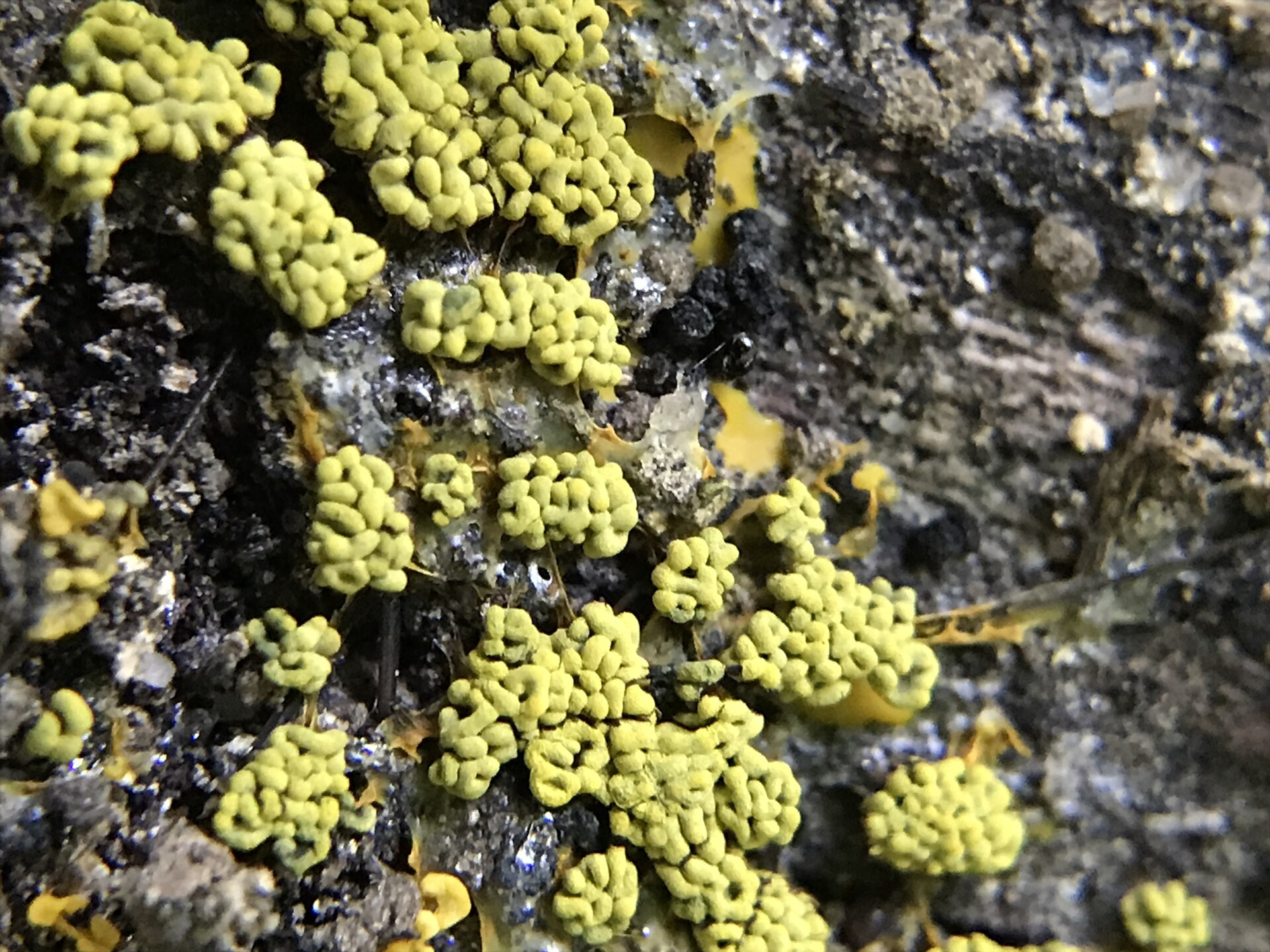
Yellow Physarum polycephalum slime mould forming a branching network
Physarum polycephalum. Photo: jhubley / CC0.

Physarum polycephalum has no brain and no neurons.

Yet experiments have shown the slime mould navigating around obstacles, finding efficient routes and even using the slime it leaves behind as a kind of external spatial memory to avoid places it has already explored.

Scientists are still arguing about what words like learning, memory and cognition should mean when the organism doing it has no nervous system.

Please define intelligence before the yellow goo does.

PNAS — Slime mold uses an externalized spatial “memory”

CALIFORNIA / WHOOPS

THE JOKE BECAME HISTORY.

In 1936, a brass plate was found in California and declared to be the plate Sir Francis Drake supposedly left here in 1579.

It became a major historical treasure.

California schoolchildren were taught about it.

Then scientists tested it.

Modern brass.

Researchers later concluded that friends of a prominent Berkeley historian had apparently made the plate as a practical joke.

The joke escaped containment.

Unfortunately, there had already been a quiz.

Berkeley Lab — Drake’s Plate: The End of the Mystery

TECHNOLOGY

WE HAVE PANICKED ABOUT THIS BEFORE.

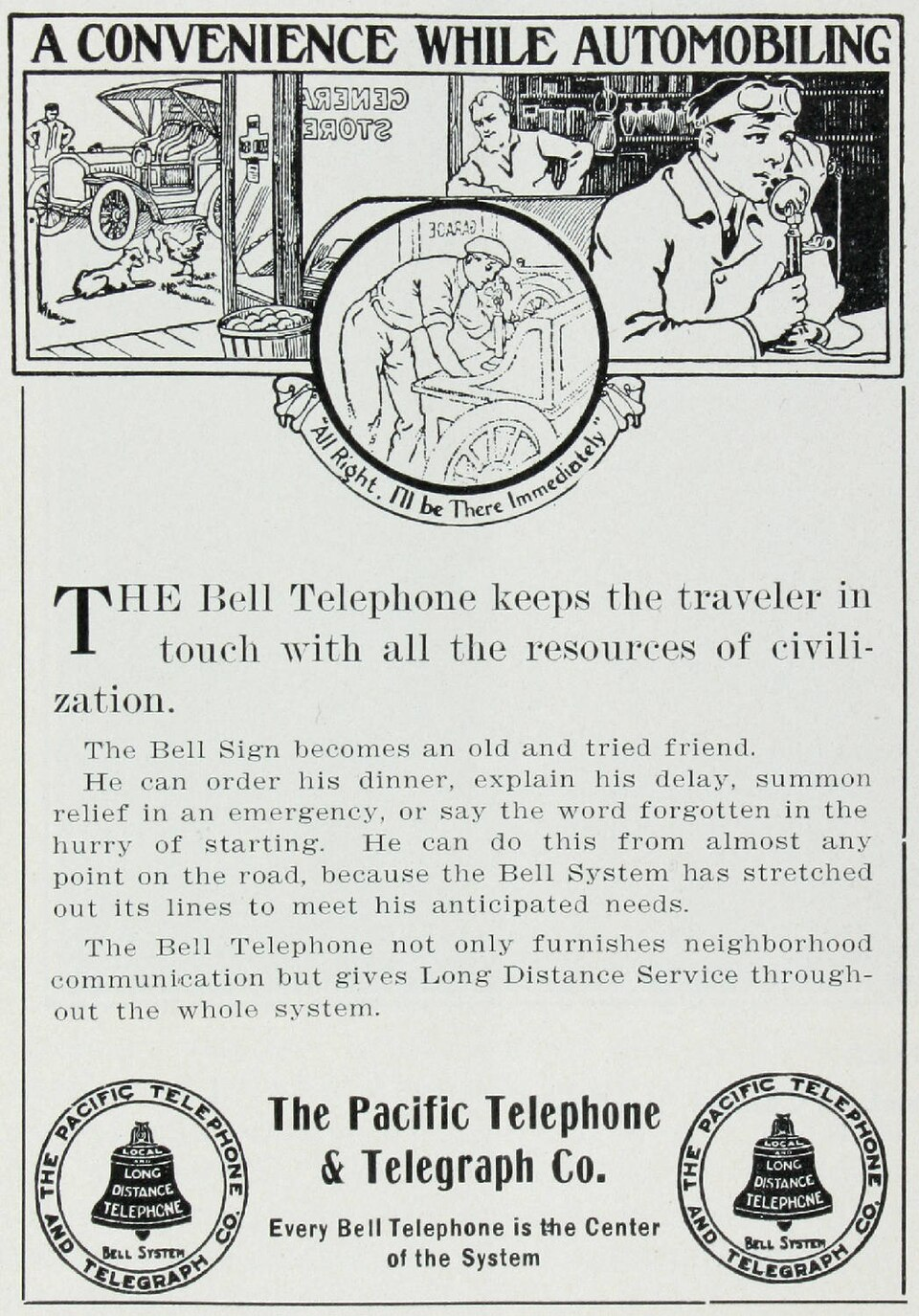
1911 Bell Telephone advertisement promoting telephone access while traveling
Bell Telephone advertisement, 1911. Early Advertising of the West Collection. Public domain.

little room for reflectionThe Electrician, 1899

It interrupts our lives.

People expect immediate responses.

We’re losing time to think.

Sounds like smartphones?

In 1899, a British newspaper complained that telephone use left too little room for reflection and produced a “feverishness” in ordinary life.

In 1929, an American professor complained that telephones and other inventions allowed neighbors to turn leisure into a series of interruptions.

Technology: telephone.

Please update your panic accordingly.

Smithsonian — We Have Always Worried About New Technology

Same files.
Different angle.

Be curious.
It’s a public service.

THE IT* FILE