The Alert Was Successful. No One Heard It.
D.U.S.T. Investigation | November 17, 2026
UPDATE: NOVEMBER 17, 2026 — THE TEST IS OVER. THE QUESTIONS AREN’T.
The nationwide broadcast test has taken place. Early accounts suggest no major widespread technical problems, but a final assessment is still pending. The equipment has had its moment. Now comes the less glamorous part: the paperwork.
Participating providers are due to submit initial reports by November 19, 2026, and detailed reports by January 4, 2027. We’ll be watching for failed transmissions, recurring problems, corrective actions, and evidence that repairs were actually verified.
And the question that started this investigation remains: How many people actually received the warning?
The FCC also accepts reports from members of the public through its Public Safety Support Center.
D.E.A.F. has marked the test complete. The public has requested the supporting documentation.
11:20 A.M. THE NATION HAS BEEN WARNED. HAS IT?
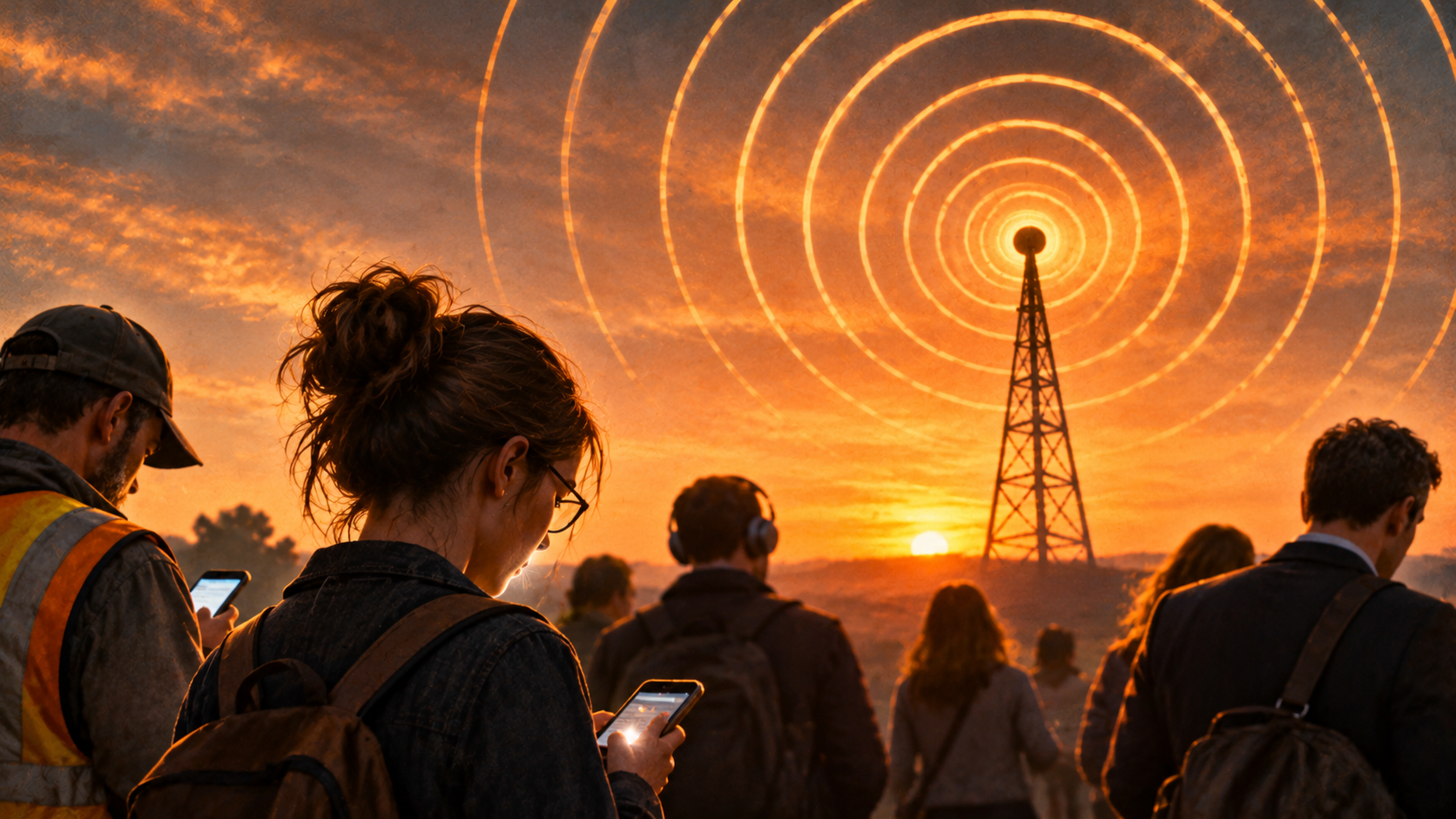
It was Tuesday morning. Millions of Americans were working. They’re answering emails, stocking shelves, serving customers, driving deliveries and trying to remember which meeting could have been an email.
Many have cellphones. Those weren’t part of the November 17 nationwide test.
Some are listening to Spotify or Pandora. Those apps weren’t tested as warning channels.
Others have a browser open, a streaming show playing, or a computer screen glowing in front of them. Those weren’t tested as direct public warning channels, either.
But if someone happens to have a participating broadcast station or television service on at the right moment, the alert may interrupt the regularly scheduled programming.
Congratulations. The warning system has reached the people who were already tuned to the warning system.
To be fair, broadcast radio and television matter. They can work when other systems fail. Testing them is sensible. But the November 17 nationwide Emergency Alert System test did not include a nationwide Wireless Emergency Alert to cellphones. And that’s a rather important distinction when the public is told the nation is being tested.
THE SCOREBOARD IS NOT THE AUDIENCE
In the FCC’s report on the 2023 nationwide test, 93.6% of reporting participants successfully retransmitted the alert. That’s a measurement of participating systems, not a count of Americans who actually received or understood the warning.
The same report documented outdated or unsupported equipment among thousands of participants. So here is the question that refuses to leave the room: Which problems were fixed, which remain open, and where can the public see the proof?
New tests can show whether a system performs better. They do not, by themselves, tell us whether every old problem was corrected.
THE TAXPAYER WOULD LIKE A RECEIPT
Federal agencies plan, oversee and evaluate these tests with public resources. FEMA also commissioned research into how people experienced the 2023 cellphone alert; RAND published the resulting research.
Research is useful. So are reports. But an expenditure, a report and a successful transmission are three different things.
Where is the public-facing trail from a documented failure to a completed repair to an independently verified improvement?
Perhaps that trail exists across agency records and provider filings. If so, let’s see it. If it doesn’t, that deserves an explanation too.
THE PERSON WHO NEVER GOT THE MESSAGE
Imagine an employee in an office outside a gas-leak warning zone. No radio playing. No television on. Lunch arrives, and the employee heads toward the affected street without knowing there’s a shelter-in-place order nearby.
That’s an illustration, not a claim about any particular worker. But it gets to the heart of the matter: a warning can be issued correctly and still miss someone who needs it.
Not every technical outage requires a public emergency alert. Warnings should tell people something useful they can do, not announce every broken server on the planet. But when protective action is possible, who checks whether the warning actually reached the people at risk?
Successfully sending a warning is not the same as successfully warning people.
D.E.A.F.
Department of Emergency Alert Formalities
TRANSMISSION VERIFIED. RECEPTION NOT ESTABLISHED.
Department fictional. Accountability questions real.
Follow the paper trail: FEMA national test information · FCC 2023 test report · RAND research.
The IT File: Declared resolved before everyone finished asking questions.